Beginning with Tropical Trees onto Your Dining Experience: The Magic of Dehydrated Mango
Sun-dried mango is not merely a snack; it’s a tasty journey from tropical trees to your table. This delightful treat captures the taste of ripe mangoes and keeps it for you to enjoy year-round. Sourced from green plantations where mango trees bask in the warmth, dried mango undergoes a detailed process in specialized drying factories. There, experts convert fresh, juicy mangoes into a chewy, flavorful snack that is not only yummy but full of nutrients.
Incorporating dried mango into your diet offers numerous benefits. Rich in vitamins, minerals, and antioxidants, it provides a quick energy boost and meets your sweet cravings without the unnecessary sugars found in many processed snacks. Whether savored on its own, tossed over mixed greens, or added to trail mixes, dried mango brings a taste of the tropics no matter where you are. Discover the delight of this charming treat and why it warrants a place in your kitchen.
The Path from Plant to Processing Plant
Dried mango embarks its journey in vibrant tropical orchards where the mango trees prosper. These trees flourish in sunny climates, producing sweet, juicy fruits that are the essence of this cherished snack. Collecting mangoes requires expertise and timing, as the fruit must be picked at its optimal ripeness to ensure optimal flavor and texture. Farmers carefully pick each mango, ensuring only the top make their way to factories.
Once picked, the mangoes are transported to a dehydrated mango factory where they undergo careful processing. The first step includes cleaning and peeling the fruits to prepare them for slicing. This stage is key, as cleanliness ensures that the final product remains safe for consumption. Slicing the mangoes into consistent pieces allows for even drying, which is vital for achieving the perfect texture that consumers love.
After slicing, the mangoes are generally subjected to a drying process that takes away moisture while preserving their natural flavor and flavor. This can be done through different methods, such as using dehydrators or sun-drying. The dried mango pieces are then packaged and shipped, ready to make their way to store shelves, allowing people to savor a taste of the tropics at any point of the year.
A Dehydration Technique Explained
The process of making dried mangos begins with choosing ready, premium fruit. Careful care is given to the variety of mango, as various types have varying sweetness and texture. Once the mangoes are picked, they are washed thoroughly to remove any dirt and impurities. After washing, the mangoes are skinned and sliced into consistent pieces to ensure uniform drying. This preparation is important, as it directly affects the final flavor and texture of the dried product.
Afterward, the sliced mangoes undergo the drying stage, which can be done through different methods. One frequent technique used in a dried mango factory is hot-air drying, where hot air circulates around the mango slices to remove moisture gradually. This method preserves the natural sweetness and rich flavor of the mango while extending its storage life. Some places might use sun drying, which is considered traditional but can be influenced by weather conditions, resulting in differences in quality.
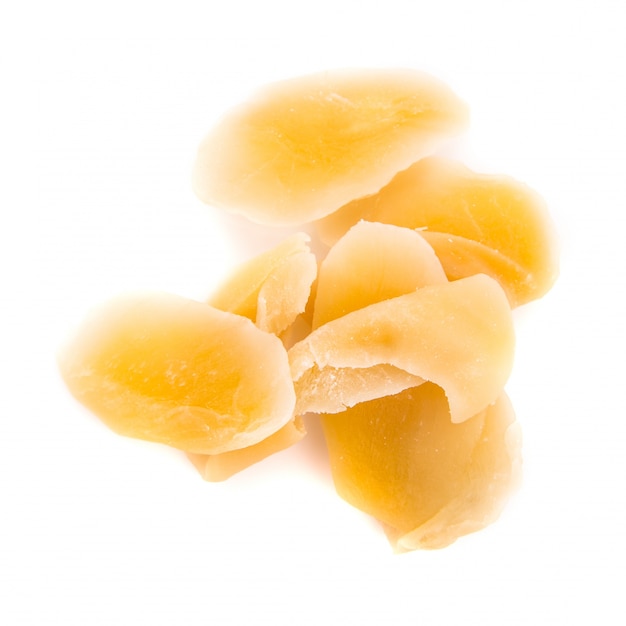
Once the mango slices are dried to the desired moisture content, they are cooled and then wrapped. The final product retains important nutrients and is a rich source of vitamins A and C. Proper storage in airtight bags helps maintain the flavor and prevent moisture absorption. This meticulous drying process transforms fresh mangoes into a convenient and delicious snack, making them a beloved option for nutritious eating on the go.
Nutritional Advantages of Dehydrated Mango
Dried mangos is not only a tasty snack and packed with vital nutrients that can improve your diet. One of the standout qualities of dehydrated mangos is its high nutrient content, particularly vitamin A and C vitamin. A vitamin is important for keeping healthy vision and a strong immune system, while vitamin C acts as a powerful antioxidant, helping to fight free radicals and support overall health. A serving of dehydrated mangos can offer a substantial portion of the recommended daily intake of these vitamins.
In addition to this, dried mango is a source of dietary fiber, which serves a crucial role in digestive health. The fiber content helps manage bowel movements and can help to a sense of fullness, making it a fantastic option for those wanting to manage their weight. This fiber can additionally help in keeping healthy cholesterol levels and promoting overall gut health, making dehydrated mango a smart choice for a nutritious diet.
Moreover, dried mango contains several essential minerals, such as potassium content and magnesium levels. Potassium content is crucial for heart health and regulating proper blood pressure amounts, while magnesium content supports muscle function and energy production. The combination of these nutrients in dried mangos makes it not only a delicious treat but also a healthful powerhouse that can positively affect your overall well-being.